The global construction industry is undergoing a green revolution, with plastic wood material (WPC – Wood Plastic Composite) emerging as a leading sustainable alternative to traditional hardwood and concrete flooring. As environmental regulations tighten and consumer demand for eco-friendly building materials grows, WPC flooring is projected to reach a $7.14 billion market value by 2032, growing at an impressive 8.27% CAGR.
If you’re a wholesale buyer, construction firm, or flooring retailer, understanding the advantages and future trends of WPC flooring can help you stay ahead in this booming market.
Why Plastic Wood Material is the Smart Choice for Modern Flooring
1. Eco-Friendly & Made from Recycled Materials
Unlike traditional timber, which contributes to deforestation, WPC flooring is manufactured using recycled plastics (PP, PE, PVC) and wood fibers (sawdust, rice husks, bamboo)3. This process reduces landfill waste and lowers carbon emissions, making it a key player in the circular economy.
2. Superior Durability & Weather Resistance
- Waterproof & Mold-Resistant – Unlike wood, WPC doesn’t warp, crack, or rot when exposed to moisture, making it ideal for outdoor decking, bathrooms, and kitchens.
- UV & Scratch-Resistant – Advanced manufacturing ensures WPC flooring retains its color and texture even under heavy foot traffic and sunlight exposure.
- 15-25 Year Lifespan – With minimal maintenance, WPC outperforms traditional wood flooring in longevity.
3. Low Maintenance & Easy Installation
- No sanding, staining, or sealing required—just occasional cleaning with water.
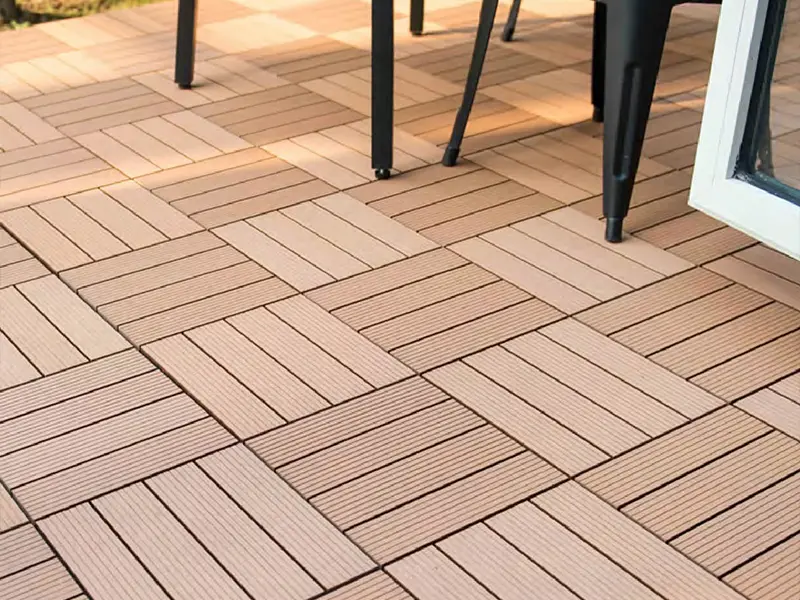
- Click-lock systems allow for fast, glue-free installation, reducing labor costs.
4. Fire-Resistant & Safe for Commercial Use
WPC flooring meets Class C fire safety standards, making it suitable for hotels, offices, and public spaces.
Market Trends Driving WPC Flooring Demand (2025-2030)
1. Rising Demand for Sustainable Construction
With global CO2 reduction targets, architects and builders are shifting to carbon-neutral materials. WPC’s use of recycled plastics and wood waste aligns with green building certifications like LEED.
2. Growth in Outdoor Living Spaces
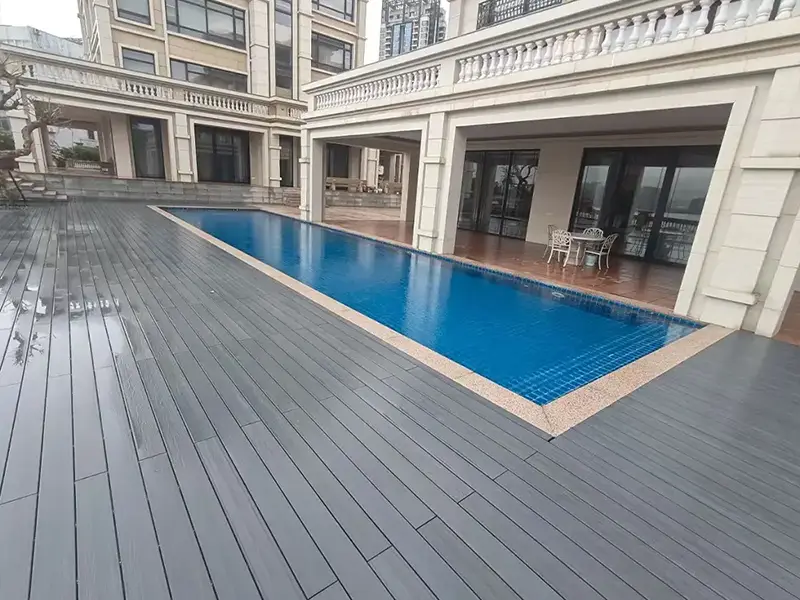
The post-pandemic surge in decking, patios, and poolside flooring has boosted WPC adoption in residential and commercial projects.
3. Technological Advancements
- 3D Printing & Custom Designs – New manufacturing techniques allow for realistic wood grain textures and custom patterns.
- Nano-Coating for Enhanced Durability – Improves scratch and fade resistance.
4. Expanding Applications
Beyond flooring, WPC is now used in:
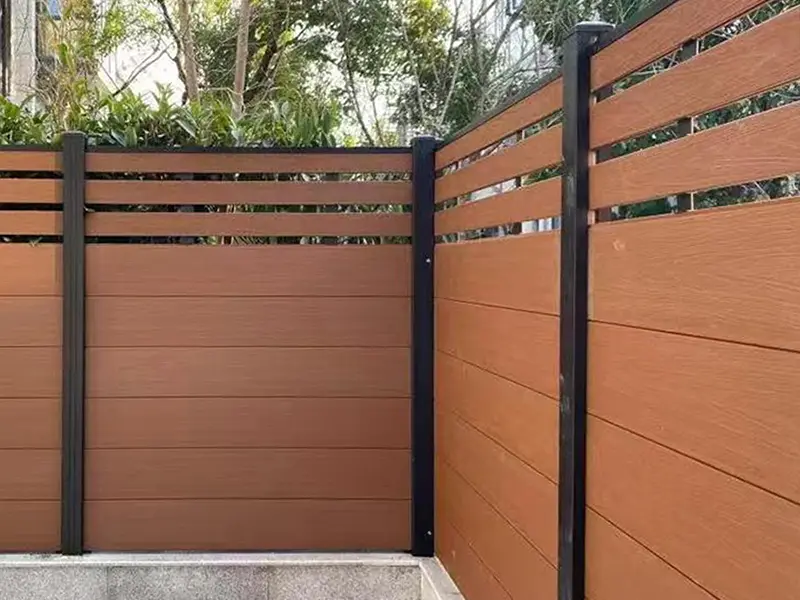
- Wall cladding & fencing
- Furniture & automotive interiors
- Marine docks & boardwalks
Why Global Buyers Choose WPC Flooring?
- No fumigation required (unlike natural wood for international shipping).
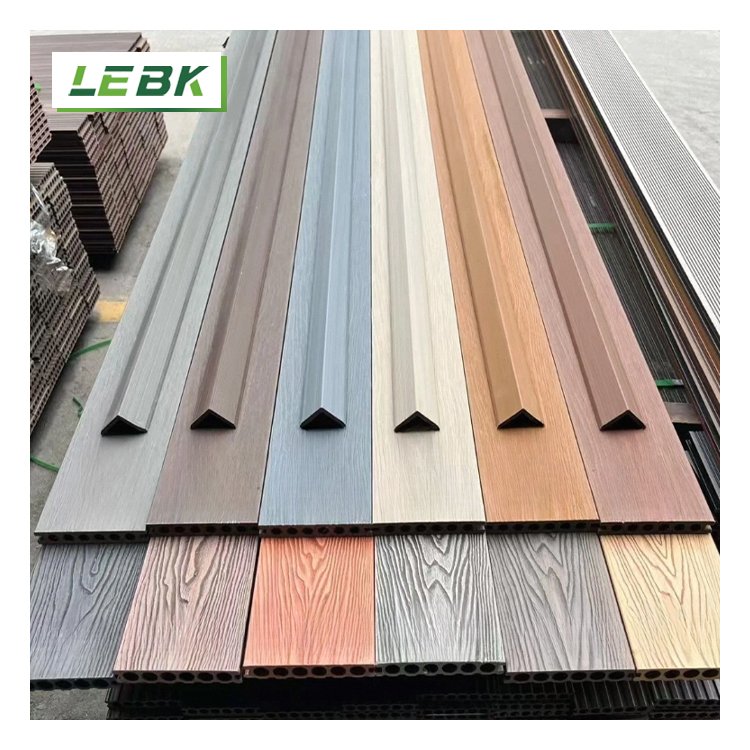
- Customizable colors & textures (wood, stone, and modern finishes).
- Cost-effective long-term solution (lower maintenance than hardwood).
- 100% recyclable, supporting sustainable business practices.