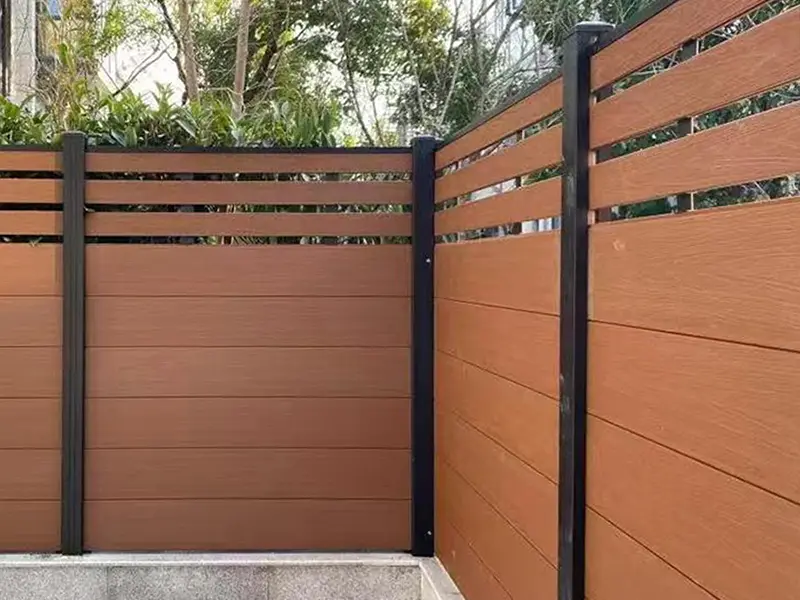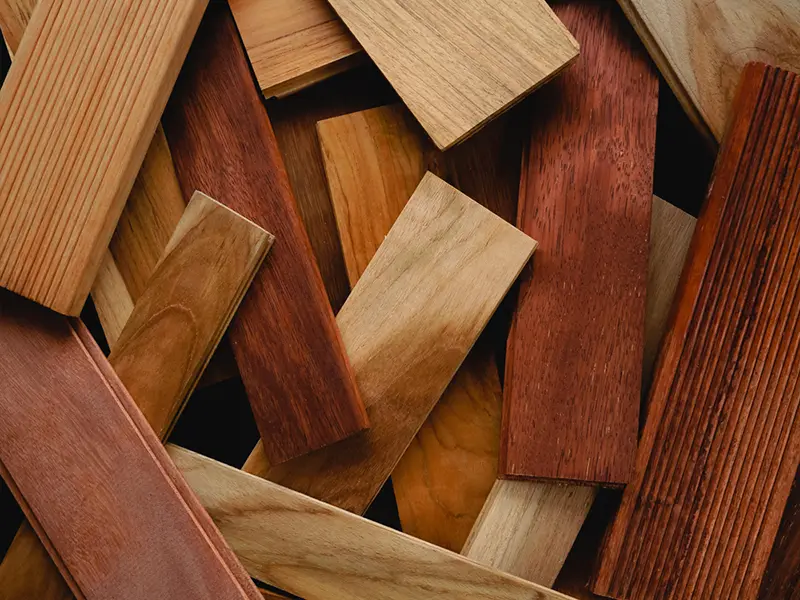
In today’s construction industry, the debate between plastic wood composite board (WPC) and traditional wood is more relevant than ever. As sustainability becomes a priority and maintenance costs rise, understanding these materials’ key differences helps buyers make informed decisions. Let’s examine how WPC outperforms conventional wood in nearly every aspect.
Material Composition and Environmental Impact
Plastic wood composite board combines recycled plastics with natural wood fibers, typically using 60-70% recycled content. This innovative composition eliminates the need for virgin timber, directly reducing deforestation. Unlike traditional wood that requires cutting down mature trees, WPC gives new life to waste materials like plastic bags, bottles, and wood processing byproducts.
Traditional wood’s environmental drawbacks extend beyond deforestation. The treatment process often involves toxic chemicals like arsenic and chromium (in pressure-treated lumber), while WPC contains no harmful preservatives. Furthermore, composite boards are fully recyclable at the end of their lifespan, creating a circular economy, whereas wood recycling options remain limited.
Durability and Weather Resistance
Where traditional wood fails, plastic wood composite board excels. Natural wood absorbs moisture (typically 20-30% of its weight), leading to warping, rotting, and splintering. WPC’s waterproof nature prevents these issues entirely, making it ideal for pool decks, marine docks, and other high-moisture environments.
Temperature extremes that cause wood to crack and splinter have minimal effect on WPC. Composite boards maintain structural integrity from -40°F to 176°F (-40°C to 80°C), outperforming wood in both freezing winters and scorching summers. The UV-resistant surface coating prevents the fading and graying that plague natural wood within just one season.
Maintenance and Long-Term Costs
The maintenance gap between these materials is staggering. Traditional wood demands annual sealing, periodic sanding, and eventual replacement – typically every 8-12 years depending on climate. Plastic wood composite board requires none of this; simple cleaning with mild soap and water keeps it looking new for decades.
While WPC’s initial cost runs 15-20% higher than premium wood, the long-term savings are substantial. Eliminating sealing/staining costs, avoiding replacement expenses, and reducing labor for upkeep make composite boards more economical within 3-5 years. For commercial applications, the reduced liability from splinter-free, slip-resistant surfaces provides additional financial benefits.
Safety and Health Considerations
Health-conscious buyers appreciate WPC’s formaldehyde-free composition, unlike many engineered wood products. The material’s inherent resistance to mold and mildew creates healthier outdoor living spaces, particularly important for families with children or allergy sufferers. Fire safety improves significantly too – WPC typically carries a Class B fire rating compared to wood’s higher flammability.
Ideal Applications for Each Material
Plastic wood composite board shines in demanding environments: coastal areas with salt spray, busy commercial spaces needing durability, and modern homes where owners want beautiful outdoor spaces without maintenance headaches. Its consistency and uniformity make it perfect for large-scale projects where material reliability is crucial.
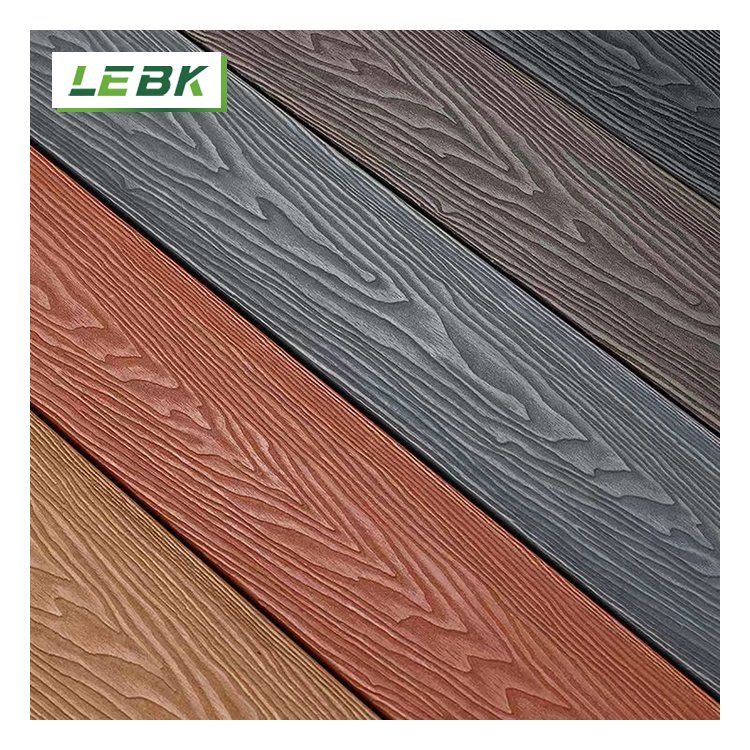
Traditional wood retains niche advantages for historical renovations where authenticity matters, or temporary installations where the material’s lower upfront cost outweighs longevity concerns. Some designers still prefer real wood’s natural variations for certain aesthetic applications, though modern WPC textures now closely mimic these organic patterns.
Why Global Buyers Are Switching
International buyers particularly value WPC’s shipping advantages. Unlike wood that requires fumigation and special phytosanitary certifications, composite boards face no such restrictions. The material’s stability during transport and storage eliminates the warping and checking that often plagues wood shipments.
As a leading plastic wood composite board manufacturer, we help distributors and contractors worldwide transition to this superior material. Our products meet international quality standards while offering custom solutions for specific project requirements. Contact us today to request samples and see why WPC is revolutionizing the construction industry.