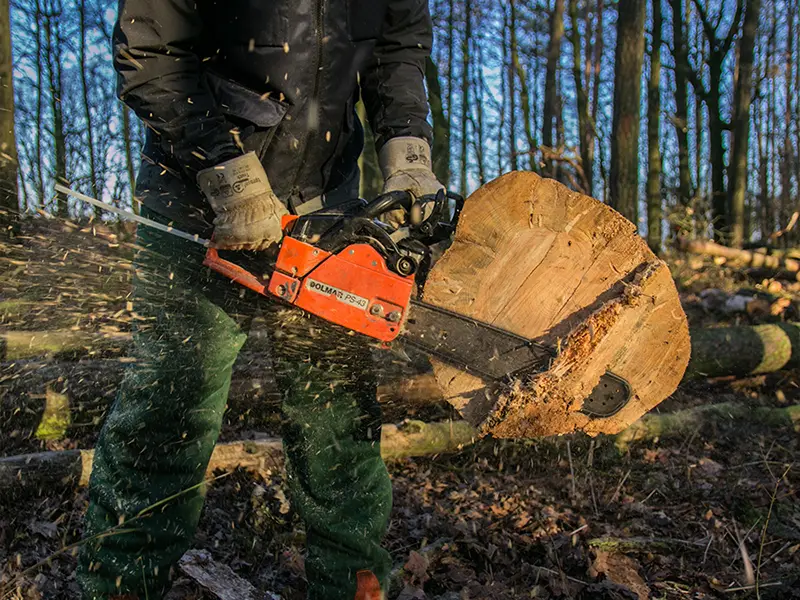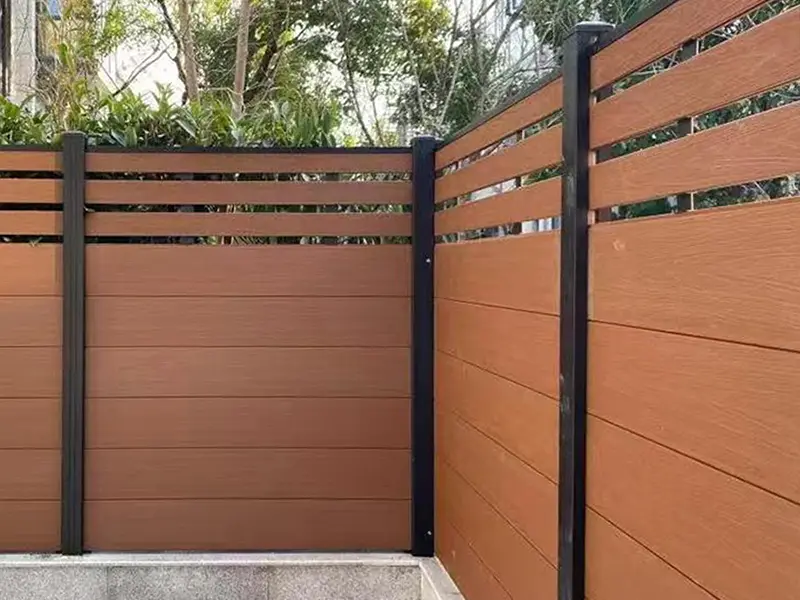
Let’s be honest. When a client dreams of a beautiful outdoor deck, they see cocktails at sunset and family barbecues. What you see? A potential minefield of callbacks, maintenance schedules, and liability worries. Traditional wood decking, for all its classic charm, is a bit like a high-maintenance employee—it needs constant attention, costs more over time, and can sometimes create a risky work environment. Literally. Splinters, rot, and slippery surfaces aren’t just nuisances; they’re threats to your reputation and your bottom line.
But what if the decking itself could be a partner in your success? What if it was designed not just to look good on day one, but to stay safe, stunning, and splinter-free for decades with minimal effort from you? That’s the promise of advanced WPC Decking. This isn’t just another composite; it’s a fundamental shift in how we build profitable, sustainable, and safe outdoor spaces. For builders, developers, and property managers, the move to premium WPC isn’t just an upgrade—it’s a smart business strategy.
Ditch the Drama: Why Traditional Decking is a Headache for Pros Like You
We’ve all been there. The “finished” project that’s never really finished. The choice of decking material might seem straightforward, but it sets the tone for years of future costs and client relationships.
The High-Maintenance Money Pit: Wood’s Constant Demands
Think of a traditional timber deck as a classic car. It’s beautiful, but it demands regular, expensive tune-ups. Annual staining or sealing isn’t a suggestion; it’s a requirement to fend off weathering, warping, and decay. For your B2B clients—whether they’re a hotel chain or a homeowner’s association—this means recurring operational expenses they didn’t fully budget for. You become the bearer of bad news when the first major refurbishment quote arrives. The initial savings on material get quickly erased by compounding labor and maintenance costs. Is that really the value you want to deliver?
Splinters & Slips: The Hidden Liability You Can’t Ignore
Now, let’s talk risk. A weathered wood deck isn’t just ugly; it’s a hazard. Loose fibers lead to splinters. Algae growth leads to slips. In a commercial or public setting, these aren’t minor inconveniences; they’re incident reports and insurance headaches waiting to happen. You built a space for relaxation, not a liability case. The quest for truly splinter-free decking for businesses is a search for peace of mind—for you and your client.
Composite Confusion: Not All “Low-Maintenance” Decks Are Created Equal
Enter the first generation of composites. They promised a way out of the endless maintenance cycle, and they delivered… partially. But early composites had their own issues: they could get hot underfoot, fade over time, and some even had a plastic-y, unnatural look that disappointed clients wanting aesthetic appeal. The market got noisy. “Low-maintenance” became a muddy term. This confusion is exactly why understanding the next generation of WPC, engineered with performance and safety as the core principles, is critical for professionals who want to stand out.
WPC Decking Decoded: The Material Science of a Smarter Surface
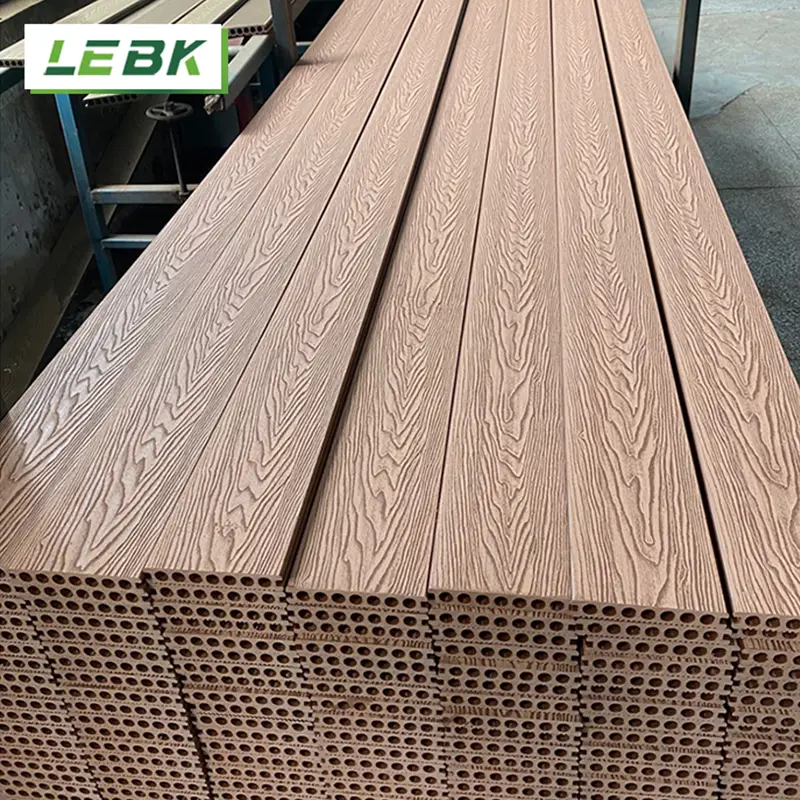
So, what’s the game-changer? WPC stands for Wood-Plastic Composite. Imagine taking the best qualities of wood (its natural look, grain texture, structural fiber) and the best qualities of advanced polymers (durability, moisture resistance, dimensional stability) and fusing them at a molecular level. The result isn’t a veneer or a coating; it’s a homogeneous, solid board where the protection is built-in, not painted on.
WPC vs. The World: A No-BS Comparison for Builders
Let’s break it down like a pro. Vs. Pressure-Treated Lumber: WPC wins on lifespan, maintenance (almost zero vs. annual), and safety (no splinters, no chemical treatments). Vs. Tropical Hardwoods: WPC wins on cost stability, sustainability (no rainforest logging), and consistency (no hidden defects). Vs. Earlier Composites: Advanced WPC like ours uses a cap-and-core co-extrusion process. This means a super-tough, UV-resistant shell fully encases the core, preventing moisture ingress, fading, and staining—issues that plagued older, uncapped composites. It’s the difference between a raincoat and being made of waterproof material.
The Green Angle: How WPC Decking Aligns with Modern Sustainability Goals
Today’s projects aren’t just judged on cost and timeline; they’re judged on environmental impact. Premium WPC is a powerhouse here. It’s primarily made from recycled wood and plastic materials, diverting waste from landfills. Its decades-long lifespan means no frequent replacements. And because it never needs staining with volatile chemicals, it protects the local watershed. For clients with ESG (Environmental, Social, and Governance) mandates or LEED certification goals, specifying high-quality WPC is a tangible win. You’re not just building a deck; you’re contributing to a project’s sustainability narrative.
The LEBK Difference: Engineering Safety and Simplicity into Every Board
Knowing WPC is better is one thing. Knowing which WPC to trust is where the rubber meets the road. At LEBK, we engineer decking not just to meet standards, but to redefine them for commercial-grade performance.
Patented ArmorShield Surface: Your #1 Defense Against Splinters and Slips
The surface is where safety and first impressions are made. Our proprietary ArmorShield technology isn’t a laminate; it’s a dense, textured layer engineered for two things: ultimate foot safety and realistic wood aesthetics. It is inherently splinter-free, right out of the box and a decade later. Its subtle texture provides sure-footed grip, even when wet, dramatically reducing slip hazards. This makes it the ideal choice for pool surrounds, restaurant patios, and public boardwalks where safety is non-negotiable. It’s the cornerstone of creating truly safe commercial WPC decking solutions.
Built for the Long Haul: Weather, Wear, and Warranties
Your projects face real-world abuse: scorching sun, freezing rain, patio furniture, and high heels. LEBK decking is built for it. Our full-cap construction with advanced UV inhibitors resists fading and staining. The high-density core repels moisture, preventing swelling, rotting, and mold. We back this confidence with industry-leading warranties. This isn’t just a product guarantee; it’s a risk-reduction tool for your project. You can specify with certainty, knowing the performance is guaranteed in writing.
From Palette to Perfection: The Fast-Track Installation Advantage
Time is money. A complicated install eats into your margins. That’s why we’ve engineered our commercial WPC decking suppliers and installers love our hidden clip-lock fastening system. It creates a clean, fastener-free surface while allowing for thermal expansion. The boards are consistent in size and straightness, cutting down on waste and frustration. What does this mean for you? Fewer man-hours on site, a smoother installation process, and a happier crew. You get to the profitable part—project completion—faster.
The B2B Blueprint: Winning More Contracts with WPC Solutions
How do you translate these features into more business? By pivoting from selling a material to selling a value-packed outcome.
Case in Point: Transforming Hospitality and Multi-Family Projects
Imagine pitching a luxury hotel. You’re not just talking about decking; you’re talking about enhancing guest experience (splinter-free barefoot walks to the pool), reducing operational costs (zero seasonal sealing crews), and protecting their brand (a perpetually beautiful first impression). For multi-family apartment complexes, you’re selling peace for the management company: no annual maintenance budgets, no resident complaints about splinters, and a durable space that withstands heavy, constant use. This is the power of framing WPC as a long-term asset, not a line-item cost.
Your Toolbox: Key B2B Long-Tail Keywords to Target
When clients are searching for solutions, they use specific phrases. Make sure your content speaks their language. Keywords like “splinter-free decking for rental properties,” “low-maintenance commercial decking solutions,” “WPC decking for hotels,” and “high-traffic composite decking” are gold. They signal a client who understands the problem and is looking for a professional-grade solution—exactly your target audience. By positioning yourself as an expert in these areas, you attract better, more informed leads.
Actionable Insights: Installation Tips and Maintenance Myths Busted
Subframe Secrets: The Unseen Foundation of a Lasting Deck
Even the best decking fails on a bad frame. Always use a galvanized steel subframe or properly spaced, pressure-treated joists. Ensure a minimum slope of 1/4″ per foot for drainage. Don’t skimp here—this skeleton determines the longevity and performance of your deck. A perfect install starts from the ground up.
The 5-Minute Annual Check: What “Low Maintenance” Really Looks Like
With LEBK WPC, forget sanding and sealing. Your annual maintenance is simple: sweep off debris and give it a wash with a garden hose or a mild soap solution for tougher stains. That’s it. The dramatic reduction in lifecycle cost is a major selling point you can quantify for clients. Show them the 10-year projected cost of wood (material + 10x sealing labor) vs. WPC (material + basic cleaning). The math is compelling.
Conclusion: Your Next Project’s Foundation for Success
The landscape of outdoor construction is evolving. Clients are smarter, and demands are higher—for beauty, for sustainability, and above all, for value. Choosing the right WPC Decking is a strategic decision that elevates your work from a simple build to a long-term partnership in your client’s success. It’s the tool that lets you deliver stunning, safe, and supremely durable spaces that minimize future headaches and maximize enjoyment. With engineered solutions like LEBK, you’re not just installing a deck; you’re installing confidence. So, for your next project, build the foundation for its—and your—future success with the material designed to last.
5 Unique FAQs for Business Decision-Makers
1. How does the initial cost of premium WPC decking truly compare to wood over a 10-year period for a commercial property?
While the upfront material cost for WPC can be higher, the Total Cost of Ownership (TCO) is almost always lower. Factor in the elimination of bi-annual staining/sealing (labor and material costs), dramatically lower repair/replacement rates, and reduced liability risk. Over a decade, wood often costs 40-60% more when all maintenance is accounted for.
2. Can your WPC decking handle the heavy loads and unique demands of a public access area like a restaurant patio or pool deck?
Absolutely. Our decking is engineered for commercial-grade load-bearing and high-traffic use. The key is the proper subframe, which we provide specifications for. The surface is also designed to be slip-resistant and not get dangerously hot in direct sun, making it ideal for barefoot pool areas.
3. We have a large project with specific design needs. Do you offer custom color matching or unique board dimensions?
Yes, for large-volume B2B projects, we frequently work with developers and architects on custom solutions, including bespoke color blends and specific board sizes. This allows for unique design integration that standard decking lines cannot offer.
4. What is the environmental impact of production, and is the material recyclable at the end of its very long life?
Our production uses a high percentage of pre- and post-consumer recycled materials. Furthermore, as a thermoplastic-based product, WPC decking is recyclable at the end of its life (often 25-30+ years), supporting a circular economy model, unlike treated wood which becomes hazardous waste.
5. How does the installation timeline for a hidden fastener WPC system compare to screwing down traditional wood decking?
For a seasoned crew, the installation of a clip-lock WPC system is typically faster. There’s no pre-drilling, no screw placement, and no splitting boards. The uniformity of the boards and the efficiency of the locking system can reduce installation time by up to 30%, translating directly into labor savings for your project.